
Beware social media personalities promoting tax avoidance schemes – as new call for crackdown issued


If you use social media, beware promotions from so-called 'finfluencers' (financial influencers) sharing opinions and recommendations on tax avoidance. You'll likely have to shell out to access their full content – and if it goes wrong, you could be liable to pay the tax and penalties to HMRC. The warning comes as campaigners have called for increased protections under the upcoming Finance Bill.
Update: 16 March 2026: In response to the points raised by Stella Creasy MP in the House of Commons on Wednesday 11 March, the Government has confirmed that measures included in the Finance Bill WILL apply to social media influencers.
Under the new bill, HMRC will be able to directly issue financial penalties or criminal proceedings against those promoting tax avoidance schemes. Guidance will also be given to HMRC to support it in doing so.
The Finance Bill is currently progressing through the House of Lords and will also need to receive Royal Asset before becoming law.
'Finfluencers' may not be authorised to give advice
Finfluencers are social media personalities who use their platform to promote financial products and share financial 'insights and advice' to those who follow them online; in some cases they may even try to sell you content promising to help you avoid tax.
But some finfluencers may not be authorised – or qualified – to give advice, and what they promote can be extremely risky. Just last month, regulator the Financial Conduct Authority (FCA) announced that seven individuals had been sentenced at Southwark Crown Court for their role in promoting an unauthorised 'foreign exchange trading' scheme.
Meanwhile, research by TSB bank published last year revealed that over half (55%) of those who had acted on financial advice they'd seen on social media – without even searching for it – had lost money as a result.
HMRC is set to get more powers to stop the promotion of tax avoidance schemes
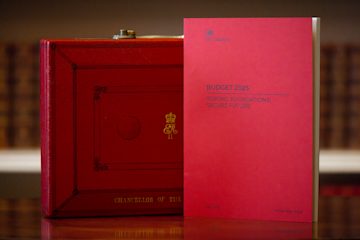
The Finance Bill gives legal effect to the Government's taxation plans, announced in the Budget each year.
For 2025/26, the Finance Bill also contains provisions to allow HMRC to directly issue financial penalties or criminal proceedings against certain tax, legal and accounting professionals who promote tax avoidance schemes.
These changes should allow HMRC to act more quickly than it can now, as it will no longer have to seek approval through the courts first.
But campaigners have called for more changes
Labour MP Stella Creasy has put forward an amendment to the Finance Bill, calling for HMRC's new powers to be extended to cover social media finfluencers as well, not just professional firms and individuals.
Explaining her reasons for putting forward the amendment, Ms Creasy said: "There are now thousands of accounts online promoting financial advice, including how to avoid paying tax. With 12 million people using self-assessment, and millions of people now turning to the internet for financial advice, there's a real risk of harm.
"These accounts make money from people clicking on their content, but those who follow them can end up with penalties or even worse: criminal sanctions. New laws will tackle professional companies who promote tax avoidance – this amendment would extend this to look at those who do so online to generate clicks from their content."
The Bill is currently progressing through Parliament. On Wednesday 11 March, it will be put before the House of Commons, where MPs will be able to consider amendments to it, potentially including Ms Creasy's.


 Latest weekly email











Clever ways to calculate your finances


