

Martin Lewis scam adverts
He doesn't do ads – so any you see are fake

MoneySavingExpert.com founder Martin Lewis's face has been plastered over the internet for many years now by unscrupulous fraudsters looking to scam people out of money. These ads – be they for cryptocurrency, investments, Quantum AI – are scams and not genuine. They're dangerous and you should be on your guard. Martin NEVER endorses products and nor does MSE, so don't be fooled.
Have you spotted a fake Martin Lewis advert? Please report it to us via email – including a screenshot or link in your message where possible. Thanks.
Fake Martin Lewis adverts are RIFE

Fake adverts featuring Martin Lewis are everywhere: Google, Twitter, Facebook, Yahoo, MSN News, Instagram, WhatsApp, Facebook messenger – the list goes on.
We've even had reports of our users receiving phone calls from people claiming to be from MSE. And in this age of artificial intelligence (AI), terrifyingly convincing, computer-generated videos of 'Martin' are now appearing online.
These fake Martin Lewis / MSE adverts – scams, in other words – have been around for years, and we continue fighting to get them removed (more on our campaigning efforts later). Sadly they're still out there – in fact, our data analysis shows Martin's face is used by scammers more than that of any other celebrity.
It's not just about Martin's or our reputation. It's about protecting you from these scams and potentially losing £1,000s – even £10,000s. In this guide we'll show you examples of the scam ads and tell you what we're doing about them.
Here are a few recent examples of people who've fallen for these scams:
I came across an advert that referenced Martin Lewis, based on a £200 investment claiming circa £700 per day profit. I was interested and started to deposit £200 from my bank account, but the payment was declined. I then remembered reading that Martin doesn't endorse these scam schemes.
I recently and stupidly started trading after seeing an advert with 'Martin Lewis'. All was well and apparently I made a lot of money. When I tried to withdraw I was asked to take a liquidity loan before the money was paid back to me.
An online advert embedded in a news page had Martin's photo and his glowing endorsement for signing up to make over £800 a day in a stocks/shares scheme. My 85-year-old mother was in the process of filling out her details and wouldn't be told it was a scam because "Martin Lewis says it's a good money-earner".
To be clear, when we say Martin and MSE never endorse products, we mean we don't put our name to ANYTHING. Yes, we mention products/services, but we don't 'support' them.
Our aim is to relay facts. You, our users, remain our priority. For a full understanding of how we operate, see our Editorial Code.
If you want to know what Martin or MSE thinks about a subject, come to our website or sign up to our newsletter – all our information is thoroughly checked and verified and, most importantly, is unbiased – don't just take what these false advertisers say at face value.
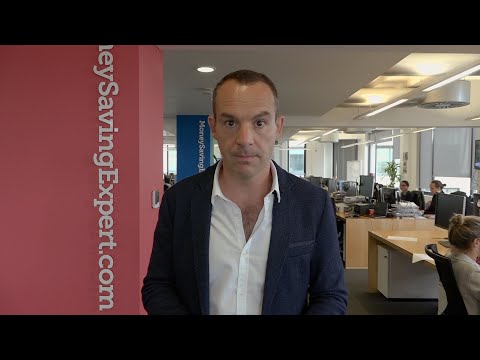
Watch Martin talk about scam ads...
Here's a message from the man himself:

Where we've seen these Martin Lewis scams
So far, we've seen false ads online using Martin's name, face and reputation on:
- Facebook
- Twitter
- Instagram
- MSN News
- Sky Sports News online
- Yahoo
- Google ads
- WhatsApp
- Quora
- MailOnline
- Telegram
- YouTube
- Mobile gaming sites
But that may not be an exhaustive list, so be on your guard. Remember, if you see an ad with Martin that does not link back to MSE, it's fake. The quotes are fake – all of it, fake.
All the companies Martin's allegedly advertised have used Martin's name falsely and without his permission – even if a product relates to subjects MSE normally covers, such as energy.
Martin never, ever endorses individual products in that way.
For more information on how to spot and avoid scams, see our Stop scams guide.
The most convincing ads that'll lose you money...
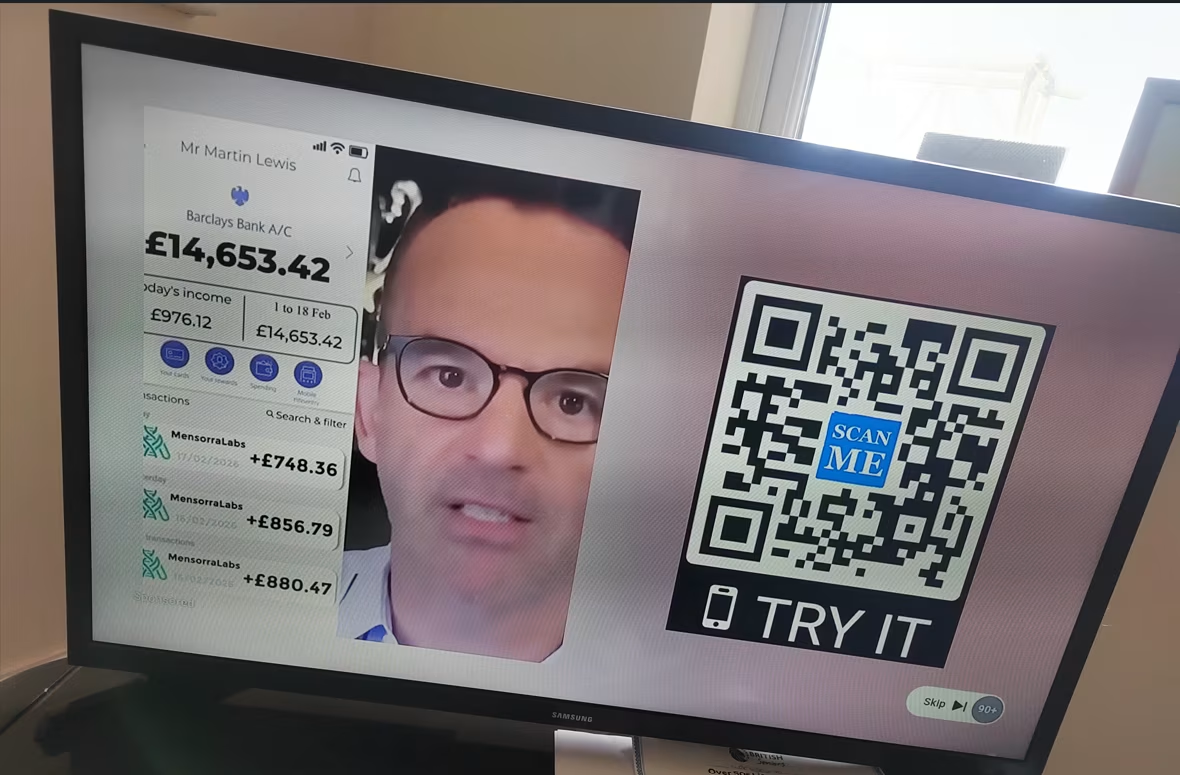
In recent months there has been a deluge of AI-generated videos of 'Martin' encouraging viewers to invest in something called 'Quantum AI'.
Appearing on an almost daily basis, these videos vary slightly in appearance but the message is generally the same: invest just £200 and you'll be guaranteed a monthly income of at least £35,000. Don't fall for this ridiculous claim.
Unfortunately, lots of people have reported losing money to this scam. It's not surprising though, as AI is able to make very convincing videos of Martin. This particular scam has been spotted on the likes of YouTube, Facebook, Duolingo, gaming sites and mobile apps.
Look trusted and genuine? NO. These unscrupulous adverts are fake, promoting companies that will totally rip you off – DON'T touch them.
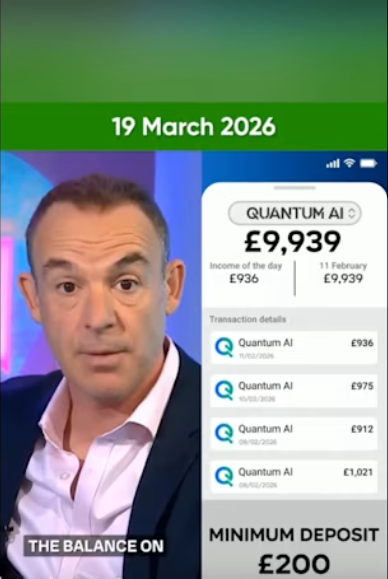

Fake Martin Lewis adverts to be aware of
The number of companies Martin's allegedly endorsing is growing all the time. Often, these firms disappear (with your money) only to pop up again with a different name and website, but with the same people and software behind them. Avoid these companies like the plague.
Below are just some of the many examples we've seen falsely using Martin's name...
- Cryptocurrency
We've seen various 'adverts' over the years where Martin encourages cryptocurrency investment, such as in Bitcoin. To be clear, cryptocurrency is neither Martin's bag nor MSE's. Martin only rarely discusses cryptocurrency, let alone promotes it.
Worryingly, we've seen very convincing Twitter accounts impersonating Martin which encourage readers to invest in cryptocurrency – so watch out.


- Artificial intelligence
Terrifyingly convincing, computer-generated video of Martin are increasingly appearing online claiming that Martin encourages you to invest in 'Quantum AI'.
It's worrying how clever technology is becoming, so do beware of fake ads like this.
- 'Wealth loopholes'
Don't believe the advert claiming Martin has discovered a wealth loophole that could make you a millionaire within months – and people are 'rushing' to take advantage. This is fake.
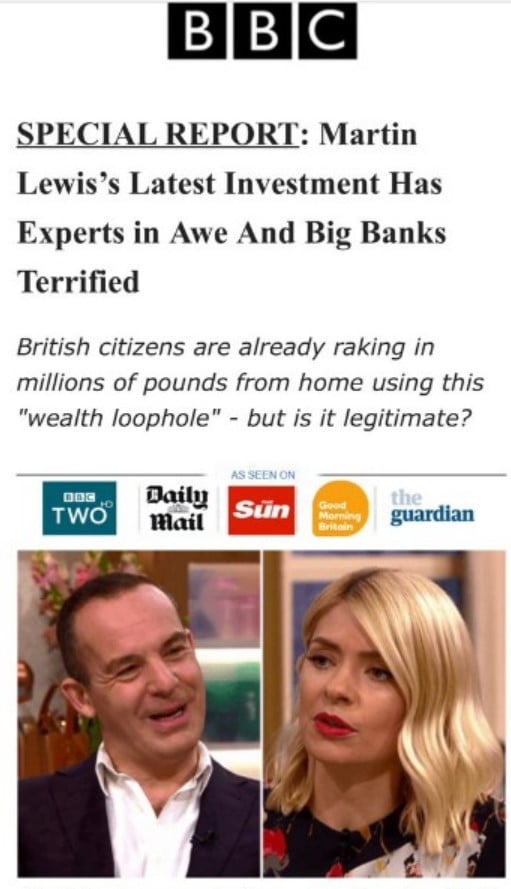

- Binary trading and auto trading
We've come across adverts which use Martin's face to encourage readers to invest in binary trading (which is very high risk) and auto-trading. Watch out for fake adverts like these:
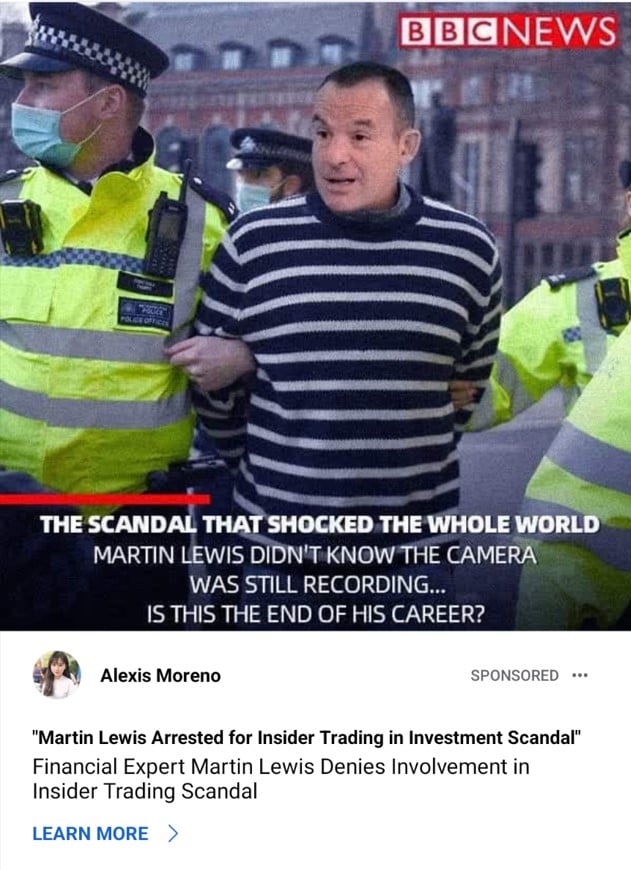

- Apps
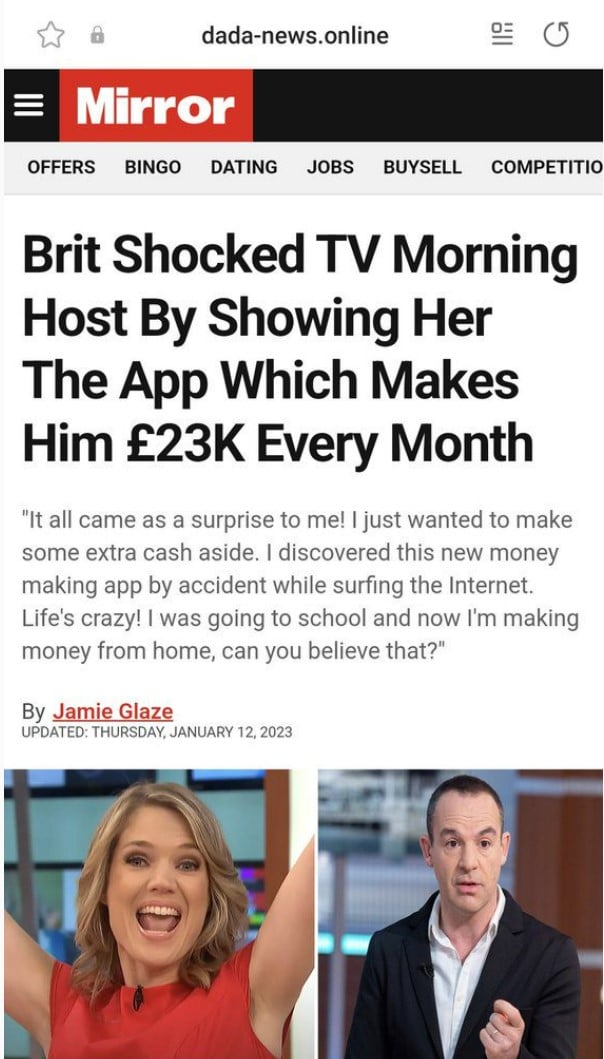
Some fake Martin adverts encourage you to download an 'app' that will make you £1,000s.
The following example purports to come from The Mirror, but the URL goes elsewhere...
- Energy suppliers
The companies below may be genuine, but they falsely trade off Martin's name and we've had reports their work is shoddy and they rip off customers. We suggest you steer clear.
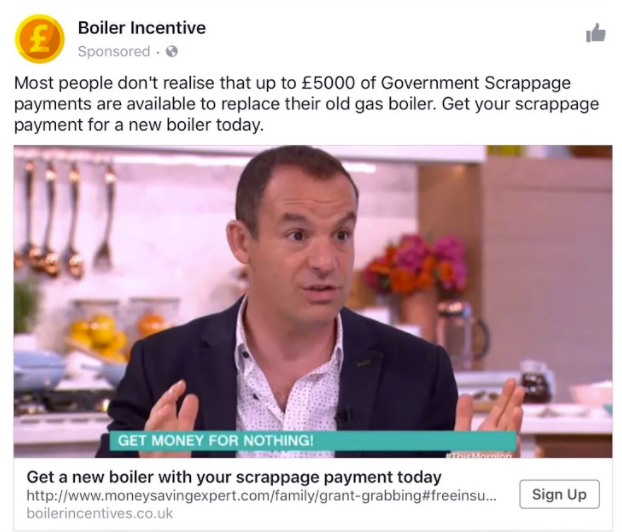
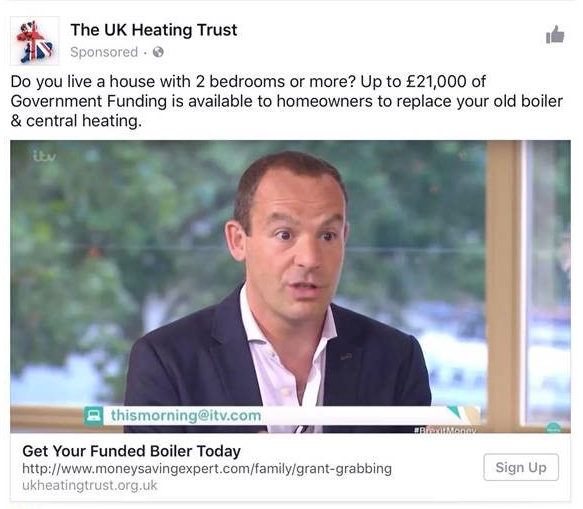
- Life insurance cover

Here is an example of a company trying to use Martin's face to promote a particular life insurance cover.
Remember, neither Martin nor MSE ever endorse products, which means never putting our name, face or logo to anything. Yes, we mention individual products and services on our site, but we don't 'support' them.
So this type of advert should set alarm bells ringing.
- Claims firms (PPI, bank charges, car finance, etc)
Martin and MSE campaigned for years to help users reclaim mis-sold PPI.
Although the deadline to reclaim has passed, he would never have told you to pay for a PPI reclaim firm because you could Reclaim PPI for free. Yet some claims firms shamelessly use Martin's name and photo as an 'endorsement' – don't go near them.
Be wary of claims firms specialising in bank charges and car finance using this approach.
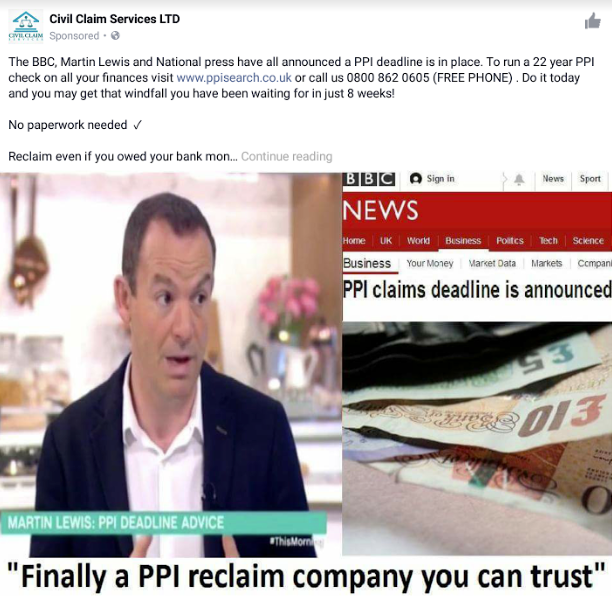
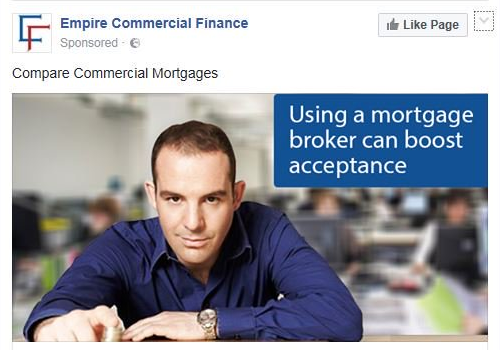
- Mortgage and insurance brokers
Again, although mortgage brokers don't scream "scam", these companies have all used Martin's image without his consent. Stay clear of them.
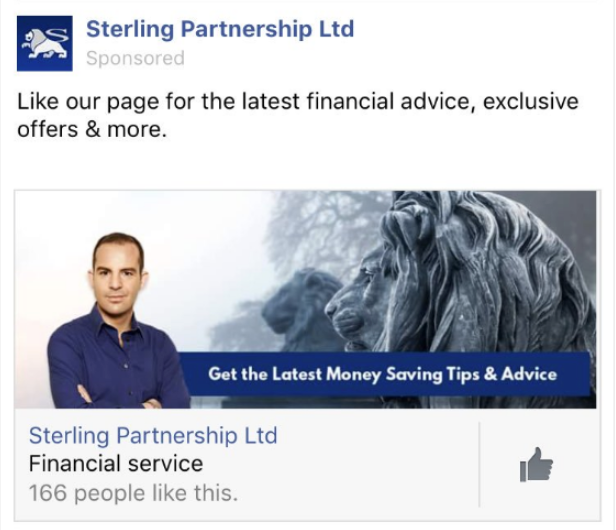
Beware of door-to-door and cold-call scammers
Martin's face isn't just used falsely online. Some cold-call companies and door-to-door salespeople pose as MoneySavingExpert and drop Martin's name into their sales pitch.
Once again, we NEVER cold call, whether it's on your doorstep or over the phone. See what happened when one of our news reporters called one of these fraudsters back.
These fraudsters can be convincing, so be on your guard:
I had a cold call from someone claiming to be from MoneySavingExpert. She gave me advice about energy and broadband. I shouldn't have answered any questions, but I ended up giving her my information. Later I googled 'spam calls MoneySavingExpert, which is when I realised it definitely was a scam call.
I have emailed about this before but I just had someone knock on my door with 'MoneySavingExpert' and 'EE' on their badge and coat asking if I was connected to the new internet around the area.
If in doubt, remember that we NEVER cold call, be that over the phone or in person.
How we're fighting fake adverts
Whenever we see a fake advert, we ask the host – such as Facebook or Google – to take it down immediately. At the same time, we will contact the company in question.
While hosts have improved at taking scam adverts down, scams usually appear elsewhere shortly after (a bit like whack-a-mole). Here are some inroads we've made in recent years:
💪 Martin sued Facebook in 2018. This was a landmark campaigning defamation lawsuit after 1,000s of scam adverts appeared on the site abusing his name or image. He settled the lawsuit in 2019 after agreeing with Facebook on a major two-pronged action plan to fight the problem: that it would donate £3 million to set up a new anti-scams project and create a scam ads reporting tool supported by a dedicated team, unique to Facebook in the UK.
💪 Citizens Advice 'scams action' launched in 2019. This was a direct result of Martin's lawsuit. Citizens Advice Scams Action provides one-on-one help for consumers who are worried they’re being scammed and those who have already lost money.
💪 Facebook launches new tool. This tool helps users flag scam ads and alerts a dedicated team of specialists to review and take down violating ads and investigate trends.
💪 Inroads with other major tech companies. This includes Google and Verizon (which owns Yahoo). We report any ads we suspect to be shown by these companies.
Online Safety Act becomes law
More recently, in a massive campaigning victory – including for Martin Lewis and MSE – the long-awaited Online Safety Act became law in October 2023.
A watershed moment, this means online platforms now have a legal duty to prevent and take down scam advertising. Ofcom has been tasked with ensuring the law is rolled out. This, hopefully, will be a big step in tackling the scourge of online scams.
You can read more about the importance of the Online Safety Act.
Been scammed?
If you've been taken in by a scam advert, you're not the first and you're not alone.
Where you've lost money to one, try to stay calm. Then read our Help, I've been scammed! guide, which explains how to report a scam and what to do to get your money back.
Seen a fake Martin Lewis advert?
Please report it to us via email – including a screenshot or link in your message where possible. Thanks.
Share this guide?